Local initiative helps Rwandan rural mothers to breastfeed
As the world marked this year’s Breastfeeding Week, Rwandan mum Delphin Ishimwe recalled the difficulty she went through breastfeeding without the right information. The 34-year-old mum, who lives in Huye district in southern Rwanda, struggled after the birth of her first child--as she had no idea how often to breastfeed and correctly latch her baby.

“When I delivered my first born 8 years ago, I could not imagine breastfeeding would be such a challenge. I didn’t have anyone to learn from as I was living alone and just on my own without a close family nearby,” she said in an interview.
“After reaching home from a health center with my newborn, I started doubting my capacity to breastfeed – wondering whether I had enough milk supply,” she added.
The mother of three, who lives off farming, said it was overwhelming and she decided to reach out for cow’s milk in the neighborhood yet it is discourages by health professionals.
It was during her second pregnancy that she had an encounter with a lactation counselor on a visit to a health center, whose advice gave her a very different experience after the birth of her second child.
“I asked several questions about breastfeeding. The counselor encouraged me on regular and exclusive breastfeeding. The day I produced my second born I placed her on my breast and felt I had constantly enough milk supply from day one,” she said.
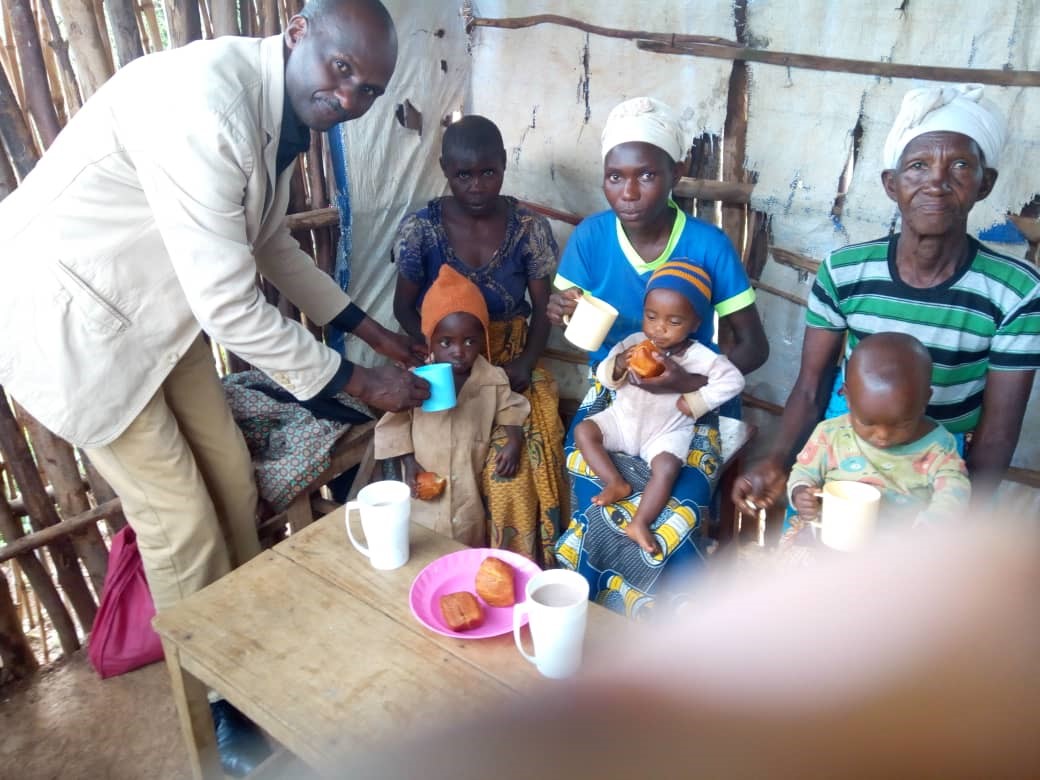
Ishimwe is one of the hundreds of Rwandan mums who benefitted from a home based solution dubbed “Kundwa Kibondo” initiated by Sovu Health Center in southern Rwanda, aimed to address dietary and socio-economic factors that may influence malnutrition among rural Rwandan children at both the village and the household level.
The project began in 2017, with initially, 10 mothers who were selected and sensitized on how to take care of children by providing healthier diets, proper breastfeeding habits, including exclusive breastfeeding for the first six month of the baby, how often to breastfeed as well as timely treatment of child diseases.
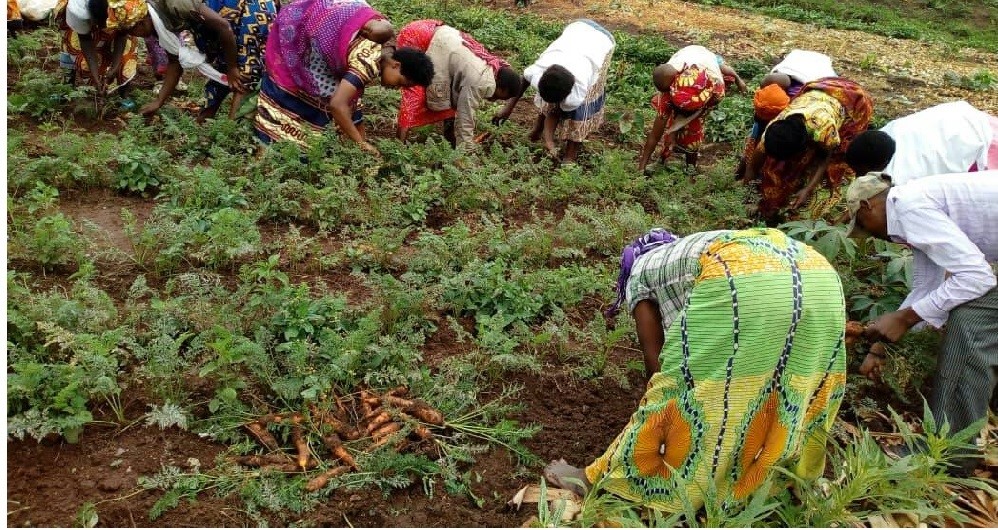
Those trained sensitized other mothers and those expecting in homes and village meetings. The initiative has now benefited hundreds of mothers.
Ishimwe has been attending “Kundwa Kibondo” meetings in her area for the past four years, during which time she has breastfed two of her daughters.
She was first helped when her second born was two weeks old.
She recalled how a lactation counselor watched her feed the child, and advised her to adjust position to ensure the baby was properly latched and correctly sucking.
“We were sensitized on how to breastfeed, it is quite hard to breastfeed without any knowledge about it. As a new mother I believed I could produce enough milk for my baby but it is not automatic without regular breastfeeding,” Ishimwe said.
“I wouldn’t wish someone else to go through what I went through. With education, new mothers can learn proper breastfeeding.”
Lactation experts advise mothers to keep contact with the baby within the first hour after birth and to maintain close skin to skin contact to ensure a good milk supply.
According to Solange Uwanyirigira, the director of Sovu health center the results of their educative campaign have been amazing as a significant improvement in children's health was marked.
The “Kundwa Kibondo” initiative was adopted after a survey showed that poor breastfeeding habits and lack of proper child care were among the major causes of malnutrition in the area.
Research has also shown that there is a link between breastfeeding and higher intelligence levels.
Speaking to Nation News Rwanda, Nicodeme Habarurema, a nutrition monitoring and evaluation officer at the government’s Rwanda Biomedical Center (RBC), said some mothers fail to breastfeed due to lack of knowledge, and awareness campaigns are important.
“Breastfeeding has many benefits. The government has designed several measures to promote proper breastfeeding, maternal care and child nutrition through awareness campaigns and advocacy,” he said.
Habarurema underlined that exclusive feeding enables proper child growth because breast milk has all the required nutrients, eases digestion, prevents sickness, and fosters love between mother and child.
It also serves family planning purposes and protects mothers from some diseases such as breast cancer.
Exclusive breastfeeding for the first six month in Rwanda stands at 81% down from 87% previously, according to 2020 official data.
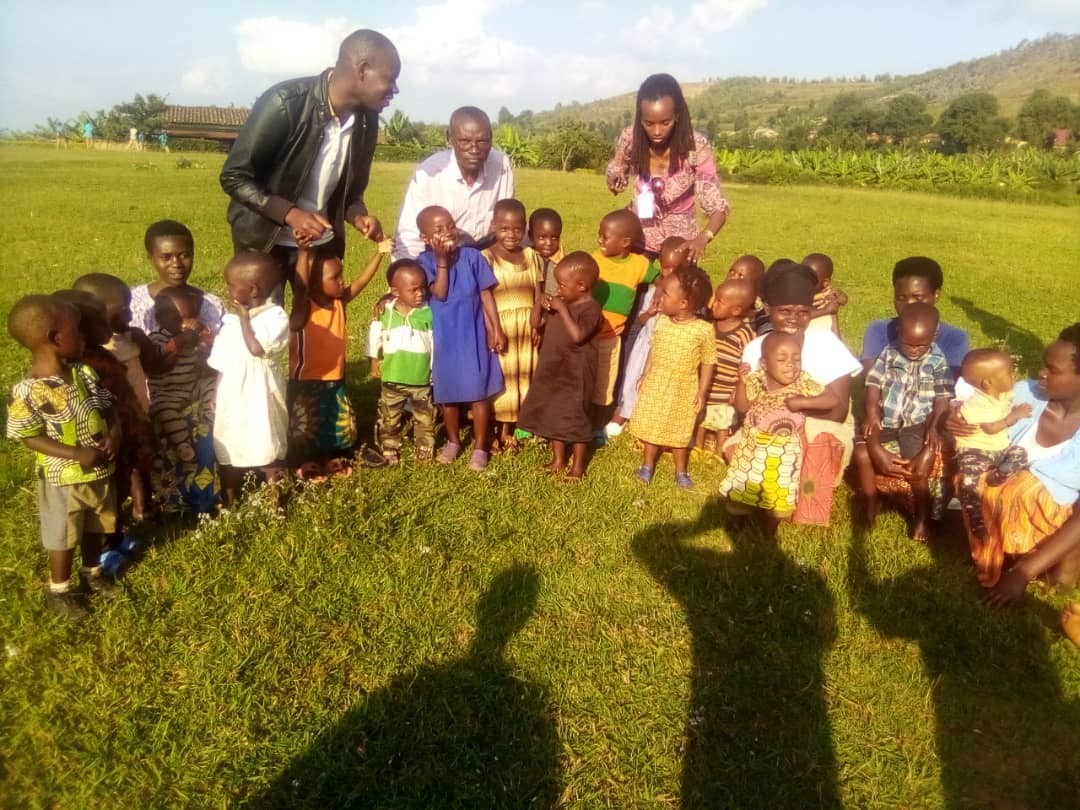
Habarurema believes the percentage drop is due to the mindset and challenges of mums working full time far from home and are unable to take their breastfeeding children with them.
A child should be breastfed at least between eight and 12 times a day for about 20 to 30 minutes during each interval, he said.
RBC advises mothers to ensure six months of exclusive breastfeeding.
But some mothers may struggle to keep up their milk supply while working while others may fail to breastfeed due to sickness or ignorance, according to Habarurema.
Rwanda marked Breastfeeding Week from Aug. 22 to 28.
To mark the week, health officials and community health counselors conducted sensitization campaigns on exclusive breastfeeding for six months.
They also conducted advocacy campaigns on the need for employers to allow mothers time to breastfeed as well as on making workplaces more breastfeeding friendly.