Rwanda, U.S. sign $228M health funding deal
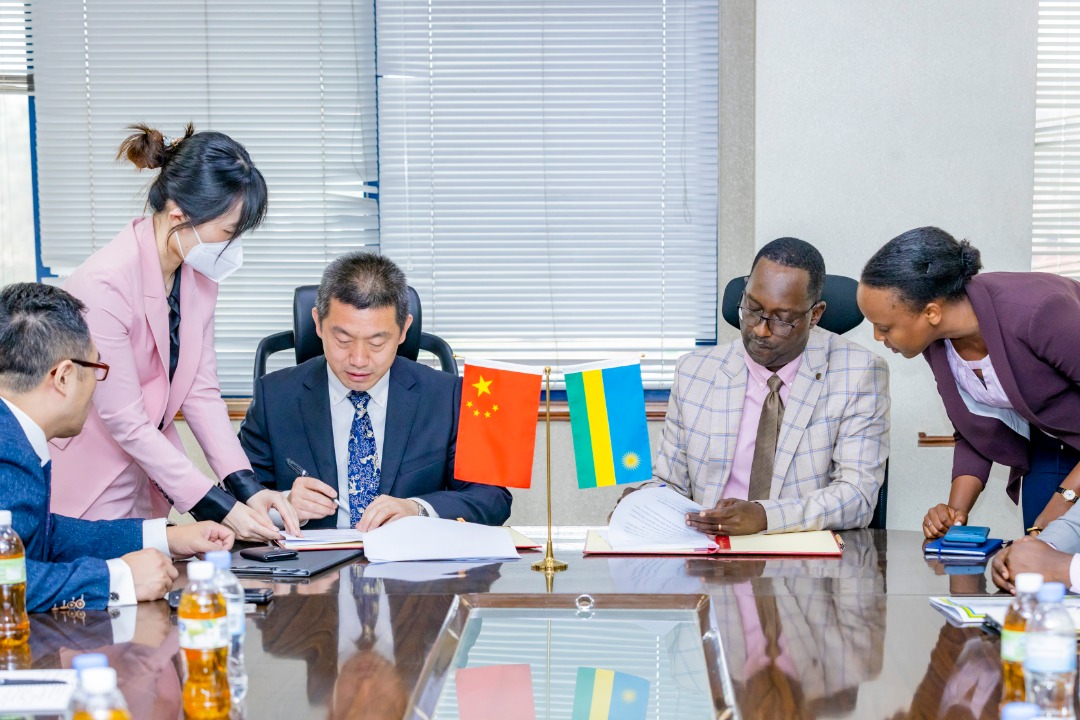
Rwanda and the United States have signed the Department of State’s second bilateral health cooperation Memorandum of Understanding providing funding to the East African country's health sector over the next five years.

The deal worth $228 million was signed in Washington by Jeremy Lewin, Senior Official, Under Secretary for Foreign Assistance, Humanitarian Affairs, and Religious Freedom and Rwanda’s Minister of Foreign Affairs and International Cooperation Olivier Nduhungirehe on Friday.
In a post on X on Saturday, the foreign ministry said the 5-year framework “ushers in a new chapter in Rwanda–U.S. health cooperation, building on current gains and expanding partnerships with U.S. innovators.”
The Memorandum of Understanding outlines a comprehensive vision to save lives, strengthen Rwanda’s health system, and make America safer, stronger, and more prosperous, according to the U.S. Department of State statement.
Under the arrangement, the statement said, the U.S. will work with Congress to provide up to $158 million over the next five years to support Rwanda’s efforts to combat HIV/AIDS, malaria, and other infectious diseases, as well as to bolster disease surveillance and outbreak response.
In turn, the Rwandan Government plans to increase its own domestic health investment by 70 million U.S. dollars.
The Rwandan government is expected to take on greater financial responsibility as U.S. support is gradually reduced over the years.
“The framework reaffirms the strong U.S.-Rwanda bilateral relationship, and both countries’ commitment to safeguarding health gains and supporting a health assistance architecture that eliminates dependency, ideology and waste — saving U.S. taxpayer dollars and delivering better and more durable health outcomes,” the statement said.
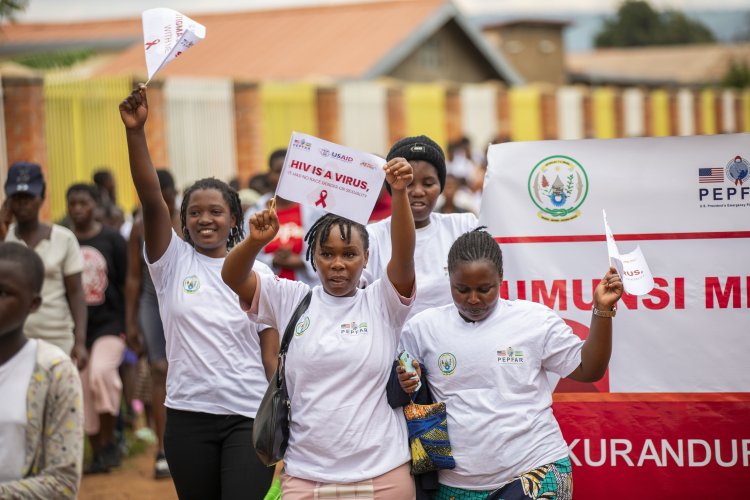
Over the last few years, Rwanda has been hailed for making significant progress toward addressing the HIV/AIDS epidemic and strengthening its own healthcare system and institutions.
Rwanda is also one of a few countries that has reached the 95-95-95 goals for epidemic control of HIV/AIDS.
The partnership builds on that progress by shifting from parallel NGO delivery systems, investing in cutting-edge health infrastructure, fostering greater national ownership over health delivery systems and frontline workers, while putting Rwanda on an accelerated path to a more durable, responsive, and sustainable health system.