Africa’s aviation stakeholders seeks ways of industry recovery
The Aviation Africa summit and Exhibition 2022 was held in Rwanda’s capital, Kigali with participants discussing how the industry can accelerate recovery, promote sustainability and enhance the customer experience.
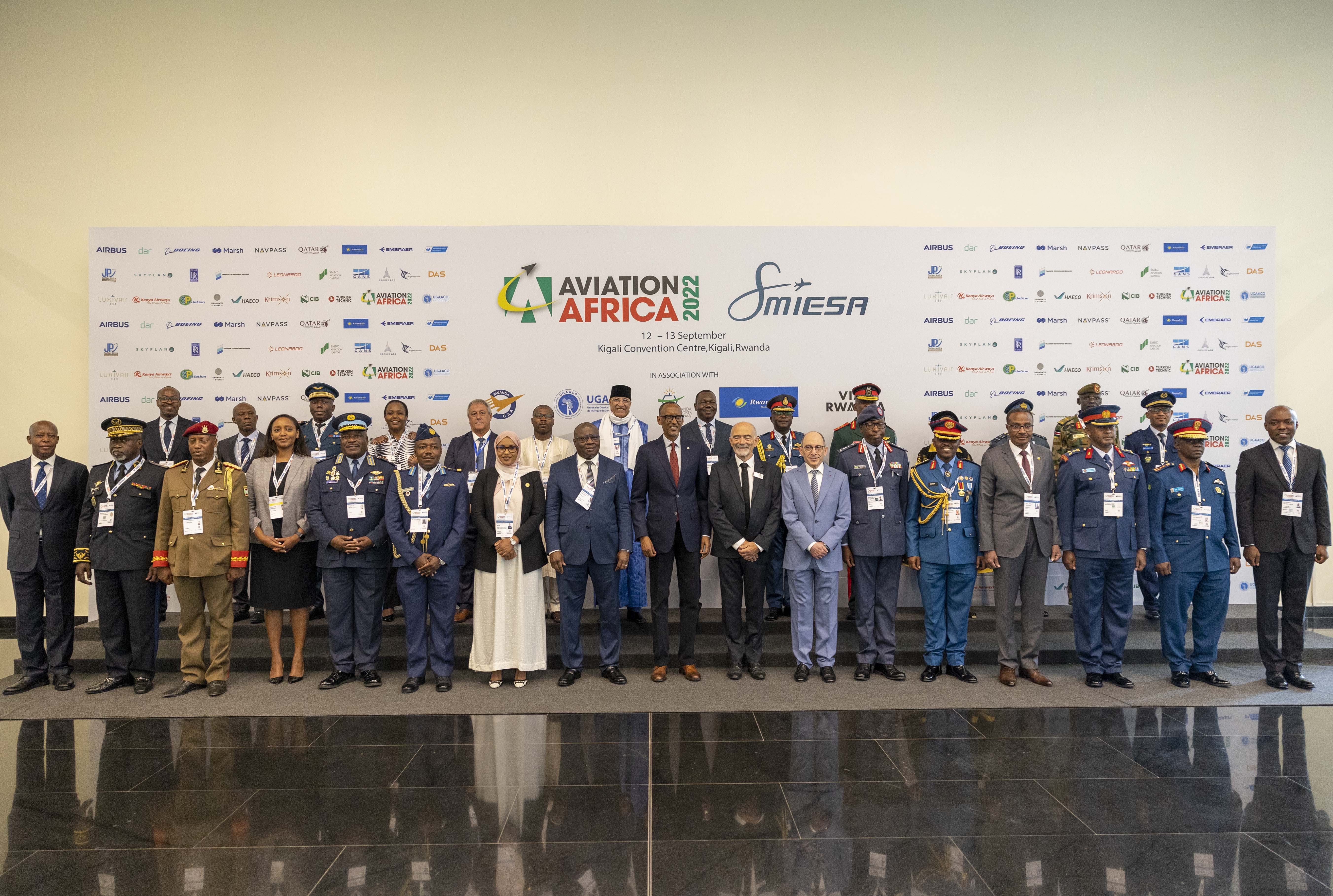

The summit is an opportunity to begin the work of making the aviation industry on the continent more sustainable and resilient against future shocks, Ernest Nsabimana, Rwanda’s Minister of Infrastructure said at the opening on Sep.12.
Akbar Al Bakar, the Group chief executive of Qatar Airways decried the unprecedented disruption of the aviation industry by the COVID-19 pandemic.
The COVID-19 pandemic severely affected the aviation industry worldwide and Africa was no exception, according to the International Air Transport Association (IATA).
It is clear strong collaboration of all stakeholders has enabled the industry to collectively rebound but increasing Africa’s connectivity is important to unlock travel and economic benefits within the continent, said Al Bakar.
He urged the continent’s leadership to make available enough infrastructures to cope with travel demand which he said is expected to soon equal and then surpass pre-COVID levels.
“This requires revisiting Africa’s infrastructure expansion plan. Make available enough manpower, build Africa’s human resource capacity and continue investing in the aviation workforce,” he added.
The event drew government officials, aviation leaders, regulators, policy makers, manufacturers and exhibitors from across the world.
Participants will share their experiences and lessons from the past, discuss how the industry can accelerate recovery and promote sustainability.
“To accelerate the growth of our aviation industry we must also address the shortage of skills across the aviation value chain. After all, aviation is a hugely attractive career for young people in Africa,” Rwandan President Paul Kagame said while opening the summit.
Kagame noted the further liberalization of air transport in Africa can act as a catalyst to speed up the industry’s recovery by increasing connectivity, stimulating demand and creating jobs.
In the wider context of the African Continental Free Trade Area, open skies help to link our businesses to regional and global supply chains, boosting trade and investment, he added.
African airlines are estimated to have lost at least 8.6 billion U.S. dollars in revenues in 2021 amid stringent COVID-19 restriction, the African Airlines Association said in a report in February this year.
The loss was estimated to be about half the revenues the airlines generated in 2019.
But according to IATA, resumption of global air travel is expected to be firm with passenger numbers predicted to surpass the 2019 peak in 2024, owing to the easing of travel restrictions in key markets amid receding infection rates.