Global health experts seek ways for stronger health systems
There is need for more investments for African countries to build stronger and more resilient health systems on the continent, officials and health experts said Tuesday, during the opening of the ongoing 2nd International Conference on Public Health in Africa (CPHIA 2022) in Kigali, Rwanda’s capital.
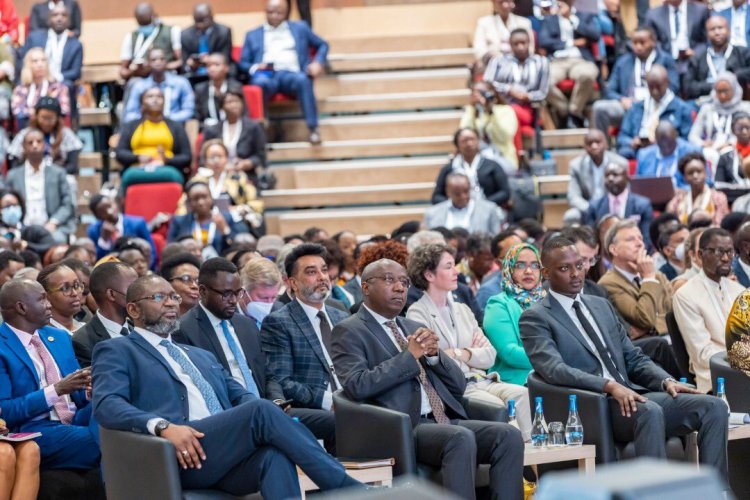

The conference, which runs from Dec.13 to 15, seeks ways to accelerate progress against the continent’s most significant health challenges and build more resilient health systems.
It is convened on the back of COVID-19 pandemic impacts which not only exerted enormous pressure on health systems but also sounded the alarm on the need to reform and revitalize the continent’s health system.
“The Covid-19 pandemic exposed gaps in global health systems, including; inadequate emergency preparedness, access to vaccines, and technologies and insufficient well-trained personnel. This stressed the need to prioritize, and invest more, in national health programs,” Prime Minister Edouard Ngirente said.
It is important to keep in mind the positive correlation between the health of our citizens and economic growth, he said, calling for health systems that ensure universal access to essential health services but that also provide quality services.
“COVID-19 has underscored the importance of investing in public health and stronger health systems to prepare for and respond to emergencies while maintaining essential health services. Strong country level readiness and preparedness of core teams yield good results,” said Matshidiso Moeti, WHO Regional Director for Africa.
“Increased investment in building effective systems using the primary healthcare approach is pivotal to equitable and sustainable access to essential health services without financial difficulties and safeguarding communities from future threats,” she said, adding that partnership with the private sector remains crucial in this regard.
The Africa region celebrates progress in health, where estimates show that coverage of essential health services has increased from 39 percent in 2010 to 51 percent in 2022, Moeti said.
She, however, noted that despite this coverage most countries remain off track to achieve universal health coverage by 2030.
The meeting is expected to shine a spotlight on the new approach to public health shaped by local leadership and regional solutions.
The conference is hosted by the African Union and Africa Centers for Disease Control and Prevention (Africa CDC) in partnership with the Government of Rwanda.
In a statement, Sabin Nsanzimana, Rwandan Minister of Health said the meeting offered a great opportunity for leaders in the public health sector to discuss ways of building more resilient systems that will allow countries to better respond to emerging health threats while continuing to address long-standing infectious and non-communicable diseases.
“Recurrent outbreaks highlight gaps in our health systems,” he said.
Participants include ministers of health, and leading researchers and scientists.
“This conference brings essential conversations about Africa to Africa - conversations on topics like pandemic preparedness, increasing local vaccine production, tackling infectious and non-communicable diseases and African leadership in health,” said Agnes Binagwaho, the conference’s co-chair.