Prosecution seeks 30-year jail term on appeal in former Rwandan doctor Eugene Rwamucyo case
After six weeks of submission, French attorney general requested Wednesday in Paris, 30 years of criminal imprisonment against during the trial on appeal case involving former Rwandan doctor Eugene Rwamucyo.
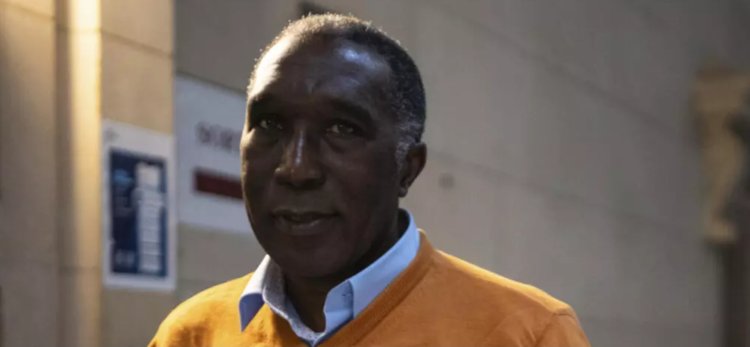

He was sentenced in the first instance to 27 years in prison for complicity in genocide against the Tutsis in 1994 in Rwanda. The verdict is expected on July 17.
The public prosecutor, Aude Duret, asked the Paris Court of Appeal to consider the doctor guilty of genocide as a perpetrator and as an accomplice, and guilty of crimes against humanity as an accomplice.
The lawyer methodically recalled all the elements put forward during the six weeks of debates which, according to her, prove the guilt of the accused.
She described the accused as a zealous public servant who adhered to the genocidal logic of the government of Rwanda at the time and did so in full conscience.
She recalled the elements presented during the debates, the testimonies and the documents which, according to her opinion, made it possible to establish that he was very close to the members of the Coalition for the Defense of the Republic, an extremist party with racist and ethnicist discourse directed against the Tutsis.
She then described how Rwamucyo supervised and coordinated the burial operations of the bodies in the former Butare prefecture where, so far, more than 214,000 victims have been counted.
Ade Duret dismantled the defense of the defendant who said that he had coordinated and supervised these burials for health reasons as a doctor.
It showed that there was a clear desire to conceal the genocide, that there were no health instructions, no report to locate the sites in order to then allow identification and exhumation procedures: that the bodies were thus dehumanized, relegated to "dirt" and "waste", she said.
She also pointed out that, even among the bodies, some people were still alive and dying and that some even survived these burials, according to testimonies.
Aude Duret described the accused as an intellectual who put his skills at the service of the genocidal government and who could not ignore what he was committed to, and that in doing so he had wanted to erase the memory of the Tutsis.
Then, she concluded her indictment with this sentence: "Erasing the memory of the Tutsi genocide in this way was an extension of their massacres. Nation &Agencies